
The Role of Technology in Singapore’s Logistics Management
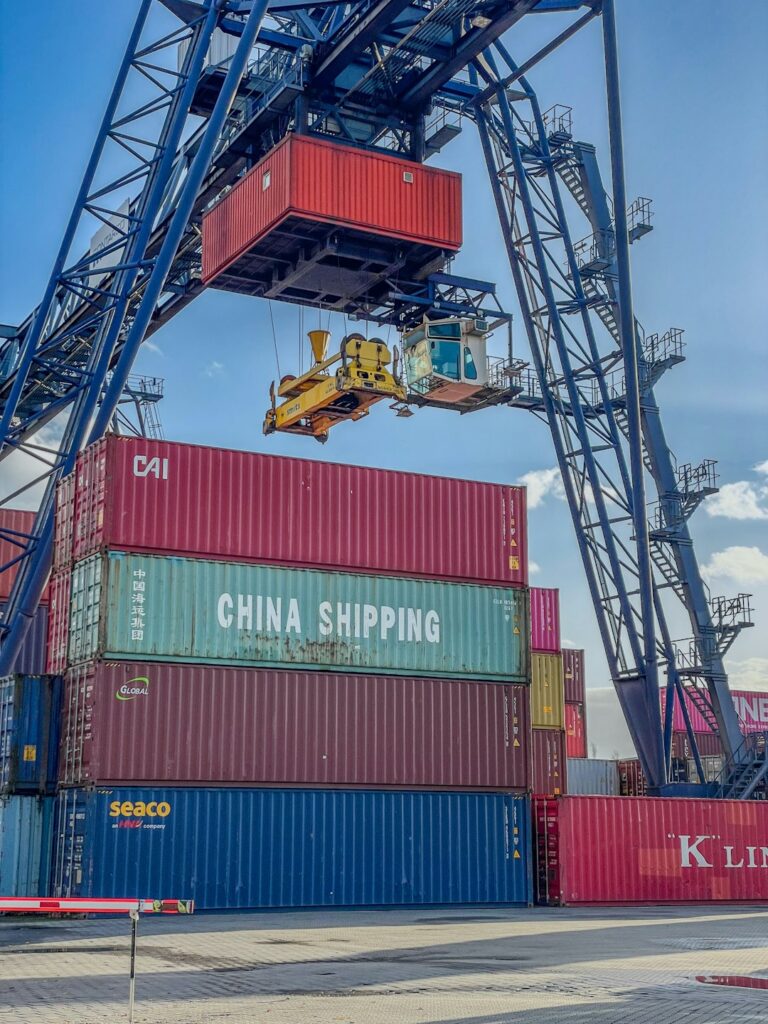
The Role of Technology in Singapore’s Logistics Management Introduction It’s fascinating to witness the rapid advancement of technology and its implications across various sectors, and the logistics industry is no exception. Singapore, grossing as one of Asia’s prime logistical hubs, provides a compelling case study of how technology has exponentially revolutionized logistics management. Brief overview of Singapore’s logistics industry Nestled at an advantageous geographical location, Singapore boasts a dynamic and thriving logistics industry. This bustling trade hub services millions of shipments each year, tremendously contributing to its thriving economy. Yet, with such enormous volumes being handled, efficient logistic management is the need of the hour. Importance of effective logistics management in supply chain operations Effective logistics management is vital in supply chain operations as it ensures timely delivery, optimum resource utilization, and cost-effectiveness. It plays a crucial role in increasing the overall efficiency of industries, which, in turn, bolsters the national economy. Thesis statement: Technology is playing a significant role in transforming logistics management in Singapore. In this blog post, we delve into the profound influence of technology on Singapore’s logistics management. From enhancing operational efficiency with automation, all the way to implementing innovative tools from firms like Jaberson Technology, technology is undeniably transforming Singapore’s logistics spectrum. Get ready for an exciting journey exploring this innovative landscape! Overview of Singapore’s Logistics Industry Let’s set the stage for our deep dive into Singapore’s unique logistics landscape. The island nation has developed into a top-notch logistics hub, an astounding evolution supported by strong infrastructure, pro-business policies, and strategic geographic location. Growth and significance of logistics in Singapore’s economy Thanks to these factors, the logistics sector has seen significant growth, contributing substantially to Singapore’s economy. The increased adoption of technology has further supercharged its evolution. Bullet points of their growth highlights include:– Rapid expansion over the past decade– Increased inbound and outbound freight traffic– Significant job creation Key players and stakeholders in the industry A few of the powerhouses that steer Singapore’s logistics sector include the transport giant “Jaberson Technology,” multinational courier “DPD,” and the state-owned “Averest Logistics.” These robust pillars play a tremendous role in shaping the industry’s future, fueling innovative solutions for efficient logistics management. Traditional Challenges in Logistics Management Singapore’s logistics industry, despite its significant growth and advancement, faces some traditional challenges that hamper its progress. Limited Physical Space and High Population Density Singapore, being a compact city-state, has limited physical space. This restricts the expansion of logistics facilities. Coupled with a high population density, managing logistics can be a daunting task. Swift movement of goods becomes a complex puzzle, adding to the logistical challenges. Traffic Congestions and Transportation Challenges Unsurprisingly, Singapore’s bustling city landscape often witnesses traffic congestions. These inevitably tend to delay smooth transportation and logistics operations, impacting timely deliveries and overall efficiency. Manual Processes and Paperwork The traditional logistics model is laden with manual processes and paperwork. Manual data entry, tracking, and managing freight can lead to possible human error and inefficiency, consuming more time and resources. Inefficiencies in Inventory Management Another critical challenge is inventory management. It’s difficult to maintain the balance of ‘just enough’ inventory. Having too much or too little can lead to wastage, additional storage cost or unfulfilled demand.In the next section, we will explore how technology, particularly, how “Jaberson Technology” is revolutionizing the scene and promising an efficient solution to these longstanding issues. Role of Technology in Transforming Logistics Management Today, the power of innovation is more evident than ever. In the logistics management sector in Singapore, technologies like automation, the Internet of Things, Artificial Intelligence, Robotic Process Automation, and Blockchain are marking a new era of efficiency and effectiveness. Automation in Warehousing and Distribution Incorporating automation within logistics operations allows for smoother, faster processes. Warehousing is being revolutionized, with automatic storage and retrieval systems making inventory management accurate and efficient. Distribution, too, has seen major enhancements, with autonomous vehicles potentially transforming the transport industry. Internet of Things (IoT) and Real-Time Tracking of Goods The IoT has been instrumental in enabling real-time tracking of goods. Logistics companies can now monitor shipments in real-time, immensely improving visibility and allowing for better decision-making. Artificial Intelligence (AI) for Predictive Analytics and Forecasting AI is making strides in the field of predictive analysis and forecasting. By analyzing vast amounts of data, AI tools can predict potential bottlenecks and ensure smooth operations. Robotic Process Automation (RPA) for Streamlining Manual Tasks Through Robotic Process Automation, routine tasks are automated, allowing logistics companies to focus on more strategic aspects of the business. RPA not only drives efficiency but also minimizes errors. Blockchain in Ensuring Secure and Transparent Transactions Finally, the application of Blockchain technology augments security and transparency in transactions. The enhanced traceability instills trust among stakeholders and ensures accountability on all fronts.Each of these technological advancements is playing a critical role in shaping Singapore’s logistics management landscape into a model of efficiency and innovation. Benefits and Impacts of Technology in Transport Companies Like Jaberson Technology Advances in technology have paved the way for exceptional transformation in the field of logistics management. Let’s take a deeper dive into some benefits that have resulted from this technological revolution. Efficiency and Cost Savings Through Automation Automation in logistics management has led to improved process efficiency and significant cost savings. Automated warehousing and delivery systems, for instance, minimize manual labor and accelerate the performance of tasks such as packaging and transportation. Enhanced Visibility and Transparency in Supply Chain Operations With advanced tracking systems and data analytics, businesses now have real-time visibility into their supply chain operations. This not only improves planning and forecasting but also promotes transparency and accountability across all levels of the supply chain. Improved Customer Experience and Satisfaction Technology has enabled businesses to deliver orders quicker and with less difficulty, leading to improved customer satisfaction. With real-time tracking, customers are empowered to monitor their orders’ progress and estimated arrival times, further enhancing the customer experience. Reduction of Human Errors and Improved Accuracy By automating key processes, technology reduces
The Crucial Role of Truck Cranes in Singapore’s Infrastructure Development

The Crucial Role of Truck Cranes in Singapore’s Infrastructure Development Welcome! Today, we focus on a key player in Singapore’s bustling construction industry – the humble yet powerful truck crane. These behemoth machines play an integral role in infrastructure development and urban progress, literally shaping the skyline of Singapore. Want to know how? Let’s hit the road with this incredibly important technological marvel. Join us on this fascinating exploration, as we ‘lift the load’ off the mystery behind the significance of truck cranes in Singapore. Importance of Infrastructure Development in Singapore Singapore, often referred to as Asia’s Lion City, is known for its stunning skyline, which showcases a synergy of historical culture and modern advancement. The fascinating architecture and meticulously planned urban landscape reflect Singapore’s commitment to infrastructure development, incredibly managed by its robust construction industry. Overview of Singapore’s Construction Industry The construction industry in Singapore is dynamic and advanced, always ready to embrace newer technologies for efficiency and quality work. This sector plays an integral role in building Singapore’s awe-inspiring urban landscape, including residential apartments, office buildings, roads, bridges, and public utilities. • Utilizing modern technologies like BIM (Building Information Modeling) and VDC (Virtual Design and Construction).• Strong emphasis on safety and environmental standards. • Use of advanced machinery including truck cranes provided by companies such as Jaberson Technology. Significance of Infrastructure Development for Urban Growth Singapore’s infrastructure development goes hand in hand with its urban growth. The city-state continues to experience significant economic growth, which relies heavily on the qualitative and quantitative expansion of its infrastructure. • More sophisticated infrastructure attracts multinational corporations, leading to job creation and economic benefits.• Infrastructure quality impacts citizens’ quality of life, including transport, housing, and public utilities.• Sustainable and resilient infrastructure is vital in dealing with potential natural disasters and minimizing environmental impact.In essence, the role of truck cranes and other advanced equipment in infrastructure development, provided by reputable companies like Jaberson Technology, is fundamental in scripting Singapore’s urban development story. Understanding Truck Cranes Understanding the importance of truck cranes in Singapore’s infrastructure development requires a basic knowledge of what they are and how they function. Definition and Function of Truck Cranes Truck cranes are a type of mobile crane that are mounted on a truck carrier. They are designed for lifting heavy loads and delivering them to their destination, boasting the added advantage of mobility. Because they’re built on a truck, they can comfortably deliver their loads to any construction site and keep moving for other jobs, thereby contributing to work efficiency. Jaberson Technology, a renowned name in the construction industry, provides high-quality truck cranes that are essential for Singapore’s urban and infrastructural development. Types of Truck Cranes Used in Singapore In Singapore’s bustling urban landscape, various types of truck cranes are employed. These include:- Telescopic cranes, known for their extendable boom, which makes them ideal for tasks requiring reach and versatility.– Lattice cranes, used for their exceptional load capacity and longer reach.– Rough terrain cranes, appreciated for their rugged design and ability to handle challenging terrain. Each of these has a unique role to play, helping to weave the intricate web of Singapore’s impressive infrastructure. Role of Truck Cranes in Singapore’s Infrastructure Development Singapore’s skyline is infamously speckled with towering skyscrapers and modern architecture, signifying the rapid urban development. The heroes behind the scenes that have made this possible are often underappreciated – the truck cranes. Let’s explore the key roles they play in Singapore’s infrastructure development. Efficient Construction Process Firstly, truck cranes have drastically improved the efficiency of the construction process. Traditional construction methods were labor-intensive and time-consuming. With the introduction of truck cranes, heavy lifting has become a breeze.• Truck cranes can lift tons of materials without breaking a sweat, reducing the need for manual labor.• They speed up the process by enabling simultaneous ground and vertical works, saving a significant amount of time.• Enabled by companies like Jaberson Technology, the automation in truck cranes minimizes human error, improving safety substantially. Flexibility and Versatility in Urban Areas Truck cranes demonstrate exceptional flexibility and versatility, perfectly fitting in Singapore’s tight urban areas. • Their compact size makes them suitable for cramped spaces, such as in between skyscrapers.• Truck cranes can easily navigate through the busy streets of Singapore, not disrupting the usual hustle-bustle.• Due to their mobility, truck cranes can be transported easily from one construction site to another, increasing their productivity. Swift Response to Emergency Situations Lastly, but just as crucially, truck cranes play a vital role in responding swiftly to emergencies, where time is of essence.• Whether it’s a collapsed building or a disaster-struck area, truck cranes are often part of the first-response team, clearing debris and paving the way for other rescuers.• Their capability to lift heavy loads makes them particularly useful in such situations, helping to alleviate emergency situations more rapidly. By shaping landscapes and securing lives, truck cranes truly contribute enormously to Singapore’s prosperity. Key Benefits of Using Truck Cranes in Infrastructure Development Singapore, due to its highly urbanized landscape, relies heavily on efficient and innovative technology within the construction industry. One such technology that has become a crucial part of Singapore’s infrastructure development is the use of truck cranes. Increased Productivity and Cost-Effectiveness The use of truck cranes, especially those created by Jaberson Technology, has significantly increased the productivity in infrastructure projects. This is mainly due to their high lifting and loading capacity, ability to maneuver in tight spaces, and speed in the assembly and dismantling process. In the long run, these features result in cost-effective operations as they reduce the need for multiple machines, labor force, and unnecessary delay. • High lifting capacity reduces the need for multiple lifts• Speedy assembly process lessens project delays• Greater maneuverability in tight spaces Improved Safety Measures With the advent of technology, truck cranes have evolved to be safer to operate. Advanced features such as overload protection systems, anti-two-block systems, and automated hook recognition help prevent accidents on site. In a densely populated place like
Key Factors to Consider When Choosing a Refrigerated Container Service in Singapore

Key Factors to Consider When Choosing a Refrigerated Container Service in Singapore Introduction In the evolving world of logistics and supply chain management, the use of refrigerated containers, or as industry insiders call them – ‘reefer containers,’ is becoming increasingly important. These temperature-controlled metal boxes play a crucial role in international trade, facilitating the safe transportation of perishable goods globally. Definition of a Refrigerated Container Service Refrigerated container services are specialized freight services that offer the rental, leasing and transporting of reefer containers. These containers, designed with robust insulation and advanced cooling systems, ensure that products such as fruits, vegetables, seafood, medicines, and other temperature-sensitive goods maintain their quality throughout transit. Importance of Temperature Control and Reliability in Transporting Goods – Ensuring Proper Temperature: Different goods require different temperature ranges for optimal preservation. A reefer container’s ability to consistently maintain the required temperature is crucial.– Guaranteeing Reliability: The dependable delivery of goods in the expected quality and quantity directly affects the reputation of businesses. Any inconsistencies can have financial repercussions and damage relationships with customers. Overview of the Blog’s Purpose and Content This blog aims to highlight key factors to consider when choosing a refrigerated container service in Singapore. We’ll delve into aspects like reefer container temperature maintenance, cost-effectiveness, reliability, and much more. So, buckle up as we help guide you to make an informed decision in this vital aspect of your business operations. Factors to Consider When Choosing a Refrigerated Container Service in Singapore Selecting the right refrigerated container service is crucial for ensuring that your valuable perishable goods remain at the perfect temperature during transportation. You need a dependable provider who understands the reefer container temperature requirements of your goods and can deliver them safely and on time. Here are some critical factors that you should consider when evaluating reefer container services in Singapore. Reputation and Experience Reputation is often a great indicator of the quality of service a refrigerated container provider can offer. Look for a company with a good name in the industry and positive customer feedback. It’s also important to consider the provider’s years of experience in delivering refrigerated goods. A seasoned provider will have developed the necessary skills and knowledge to handle any temperature-controlled cargo shipping challenges that might arise. Equipment and Technology • Quality of their reefer containers: Ensure their containers are well maintained and in good condition to prevent potential pitfalls during transit. • Technological features: Does the company use advanced technology to monitor and control the temperature inside their containers? This can be a pivotal point for the safe transportation of your goods. Temperature Monitoring and Control In the realm of refrigerated transportation, maintaining the correct reefer container temperature is of utmost importance. Choose a provider that offers real-time temperature monitoring and has strict protocols in place to control temperature fluctuations. Reliability and On-time Delivery When transporting perishable goods, time is of the essence. Ensure your chosen provider can guarantee timely delivery. Check their history for any delivery delays and ask how they handle or mitigate such eventualities. Global Network and Reach Does the provider have a wide global network and reach? A wide network means they can provide seamless, end-to-end service ensuring your goods reach their destination without any complications. Moreover, it means they have experience adhering to international shipping rules and standards. These factors can offer you peace of mind and assure you that your goods are in safe hands. Reputation and Experience When opting for a refrigerated container service in Singapore, the reputation and experience of the service provider matters. Trustworthy companies often have an established track record of reliability. They also know the intricacies of managing a reefer container’s temperature and ensuring your goods’ safety. Importance of choosing a reputable and experienced service provider Choosing a reputable and experienced service provider is crucial for numerous reasons:– Knowledge of industry standards and regulations– Proven ability to maintain a consistent reefer container temperature – Assured integrity of goods stored or transported– Minimal risk of malfunctions leading to potential losses Factors to consider when evaluating reputation and experience Here are some key points to consider when assessing a service provider’s reputation and experience:– Years of service in the industry – Positive customer reviews and feedback– Certifications and accreditations within the sector– Track record of handling similar types (or quantities) of goods Benefits of working with an established company Opting for a well-established company assures:– A wider range of service options and flexible packages to suit your exact needs– Access to up-to-date, industry-standard equipment and technology– Direct channels of communication and professional customer service– A dependable network of contacts and resources for any eventuality. In summary, the reputation and experience of the refrigerated container service provider can greatly influence the quality and reliability of the services you receive. Make sure to do your homework so you can make an informed decision. Equipment and Technology When it’s about storing perishable goods or transporting temperature-sensitive items, refrigerated containers, otherwise known as reefer containers, take the center stage. These unique pieces of equipment come with advanced temperature control systems that keep your items at the correct temperature, regardless of the outside conditions. Overview of refrigerated containers (reefer containers) Reefer containers are essentially mobile cold storage units. They provide temperature-controlled solutions that help you store or transport your goods safely. These large, portable units can keep temperatures as low as -65 degrees Celsius, ensuring the integrity and safety of your products. They’re perfect for a wide range of items, from food and pharmaceuticals to high-tech equipment. Importance of choosing a provider with well-maintained and technologically-advanced equipment Setting your sights on a refrigerated container service in Singapore that invests in modern, advanced technology and well-maintained equipment can make all the difference. These providers ensure:- Consistent and accurate temperature control– Reliability and fewer breakdowns– Advanced tracking, so you’ll always know where your container is and what condition it’s in Factors to consider when evaluating equipment and technology When considering equipment and technology, key points to keep
The Role of Efficient Logistics Management in Business Success
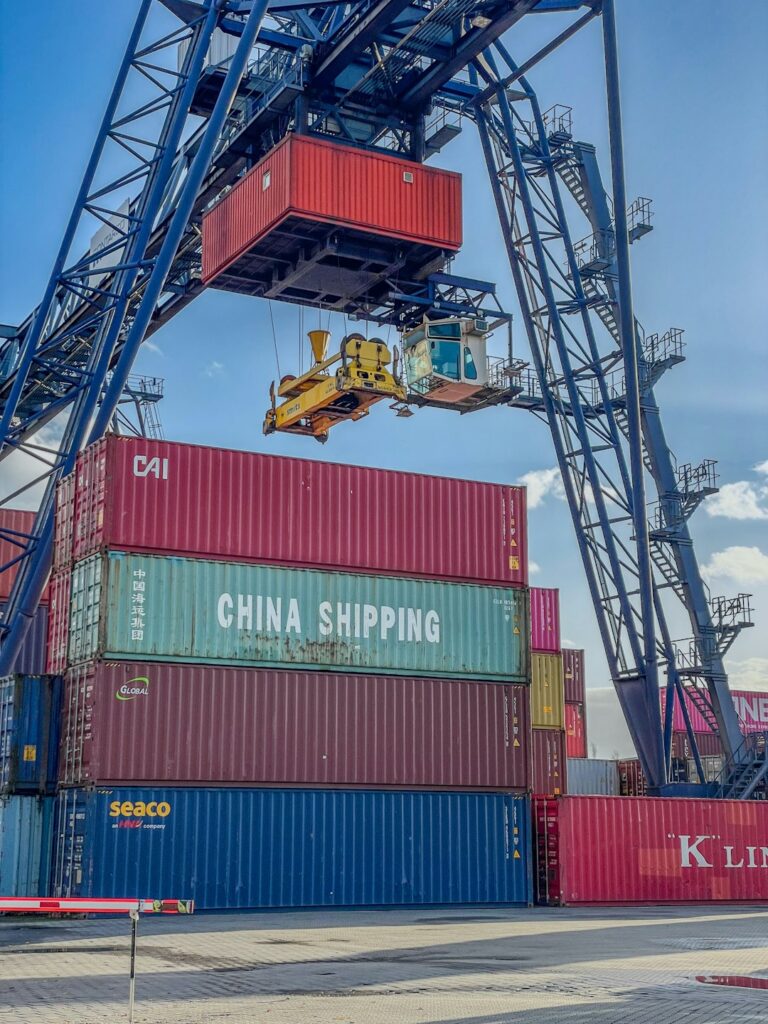
The Role of Efficient Logistics Management in Business Success Introduction Every successful business requires a well-managed logistics system. This includes operations from procurement to delivery, with a series of complex activities that, when perfectly orchestrated, lead to customer satisfaction and continuing business growth. Importance of Logistics Management in Business Success Logistics management is not merely about moving products from one place to another. It integrates various elements like transportation, inventory, warehousing, material handling, and packaging. Efficient logistics management enhances the business’s ability to meet customer requirements, gaining the traction necessary for exponential growth. • It assures timely delivery, improving customer trust in the business.• It streamlines operations, leading to business efficiency.• It minimizes losses due to damaged goods, reducing overall costs. Brief Overview of Supply Chain Optimization, Cost Reduction, and Customer Satisfaction Effective logistics service includes three significant components: supply chain optimization, cost reduction, and customer satisfaction. These crucial processes influence the profitability and reputation of a business. Each component plays a unique role in pushing the business ahead of the competition by offering value to customers, ultimately leading to business success. The Role of Logistics Management in Optimizing the Supply Chain To comprehend the connection between efficient logistics management and business success, it’s crucial to first understand the concept of supply chain optimization. Definition and Explanation of Supply Chain Optimization Supply chain optimization is a strategic approach aimed at refining the operations of a business to maximize profitability and efficiency. This could involve reducing waste, improving service delivery, and enhancing interdepartmental coordination through better logistics. Thus, supply chain optimization is directly linked to the logistics service, which revolves around managing the flow of goods, information, and other resources needed to deliver a product from the supplier to the customer. Benefits of Supply Chain Optimization in Business Success Supply chain optimization, backed by efficient logistics management, offers numerous benefits that contribute to business success. For instance:- It reduces operational costs by eliminating unnecessary processes.– It enhances customer satisfaction by ensuring timely delivery of quality goods.– It boosts profitability by facilitating efficient decision making.In essence, proper logistics management is vital for supply chain optimization and consequently, business success. Strategies for effective cost reduction through logistics management Logistics management plays a crucial role in significantly reducing the integrated costs of a business. Leveraging effective strategies can result in substantial cost-saving while maintaining, or even enhancing, service quality. Here are some key strategies for businesses to enable cost reduction through logistics management. Identifying cost-saving opportunities in logistics operations An initial step in streamlining logistics management is to identify potential opportunities that could yield significant cost savings. Some areas to look out for include:• Improvement of inventory management: Overstocking leads to wastage, while understocking can lead to lost sales.• Optimization of transport routes: Efficient route planning saves on fuel and time, hence reducing costs.• Use of technology automation: Automating logistics processes can reduce manual errors and save operational time. Implementing lean principles and techniques in logistics management Implementing lean principles in logistics management entails eliminating waste from the supply chain. This could involve reducing errors in orders, minimizing delivery time, and avoiding excessive production or inventory. Lean logistics aims to create more value for customers with fewer resources, thereby contributing to cost reduction and improved competitiveness. Collaborating with suppliers and partners for cost reduction Collaboration between businesses and their suppliers or partners can usher in tremendous cost reduction benefits. Pooling resources, sharing risk, and leveraging the respective strengths of each partner can lead to lower storage, transportation, and handling costs. Altogether, cooperative supplier and partner relationships can catalyze effective logistics management, reduce costs, and ultimately drive business success. Enhancing Customer Satisfaction Through Efficient Logistics Management Business success often boils down to how well you can keep your customers happy and satisfied with the service you provide. Logistics management plays a pivotal role in enhancing customer satisfaction and driving business growth. Understanding Customer Expectations and Demands A central part of effective logistics management is understanding your customers. When you comprehend what your customers expect and demand, you can streamline your services accordingly. This might involve:• Offering faster delivery time• Ensuring product availability• Guaranteeing product condition upon delivery Improving Order Fulfillment and Delivery Processes Streamlining and optimizing your order fulfillment and delivery processes is another crucial step towards enhancing customer satisfaction. Efficient logistics management ensures that orders are processed quickly, inventory is managed effectively, and products are delivered on time and in perfect condition. It minimizes errors, reduces delays, and increases overall operational efficiency which leads to happy and loyal customers. Utilizing Technology for Improved Customer Communication and Tracking In today’s digital era, technology can greatly enhance logistics service. Advanced tracking systems allow customers to monitor their orders in real-time, which increases transparency and trust. Furthermore, digital communication tools make it easier to keep customers informed about their deliveries. This can drastically improve the customer experience, leading to increased satisfaction and repeat business. Case studies showcasing the impact of efficient logistics management on business success Efficient logistics management can transform businesses, paving the way for success. Don’t believe me? Let’s delve into two case studies that underscore the effectiveness of well-strategized logistics management. Company A: Achieving cost savings and customer satisfaction through logistics management Company A is a household name in the manufacturing industry. With a vast and complex supply chain, managing logistics was no easy feat. However, by streamlining its logistics operations they were able to:- Achieve significant cost savings.– Improve production and delivery timelines, thereby enhancing customer satisfaction.– Decrease waste, leading to a more sustainable operation. Company B: Enhancing supply chain visibility and efficiency through logistics management Now, on to Company B, a global retailer. Its challenge was managing a vast, international supply chain. By focusing on logistics service, the company was:- Able to gain greater visibility into its supply chain.– Enabled to respond quickly to demand changes, keeping shelves stocked and customers happy.– Capable of improving efficiency, about reducing waste and overhead costs. These cases illustrate how a keen focus on logistics
how to move a container without a crane
Moving a Container Without a Crane: An Innovative Approach When envisioning the process of moving a container, most people immediately think of large cranes and heavy machinery. Indeed, cranes have long been a popular method for transporting containers from one place to another. However, what if you need to move a container but don’t have access to a crane? Don’t worry, there are alternative methods that can help you achieve your goal. In this article, we will explore some innovative approaches to moving a container without a crane, focusing on safety, efficiency, and cost-effectiveness. 1. Utilizing Forklifts One of the simplest and most readily available alternatives to cranes is a forklift. Forklifts are powerful machines equipped with prongs that can be inserted under a container to lift and move it. While forklifts have a limited lifting capacity compared to cranes, they are still highly effective for moving smaller containers over short distances. To move a container with a forklift, ensure that the forklift has the appropriate lifting capacity for the container’s weight. Position the prongs of the forklift under the container, making sure they are evenly spaced to distribute the weight evenly. Once the container is securely held by the forklift, move slowly and cautiously to prevent any accidents or damage. 2. Implementing Roll-Off Trucks Roll-off trucks are another popular option for moving containers without a crane. These trucks are equipped with hydraulic systems that allow them to tilt at an angle, enabling containers to be rolled off or onto the flatbed. This method is particularly useful when containers need to be loaded or unloaded at ground level. To move a container using a roll-off truck, position the truck in a suitable location where the container can be rolled off onto a flat surface. Engage the hydraulic system to tilt the truck bed to the desired angle, carefully rolling the container off the bed using its own weight. It is crucial to ensure that the surface is level and secure to prevent any accidents. 3. Employing Jacks and Skates Jacks and skates are versatile tools that can be used to move heavy objects, including containers. Jacks are hydraulic or lever-based devices that can lift heavy loads, while skates are flat platforms with wheels or rollers that enable objects to be moved easily. By combining these tools, you can move containers without requiring a crane. To move a container using jacks and skates, first, raise one end of the container using jacks. Then, carefully slide the skates under the elevated end of the container. Lower the container onto the skates, and repeat the process for the other end of the container. Once both ends are supported by the skates, you can push or pull the container to its desired location. Ensure the skates are securely positioned and that the surface is suitable for movement. 4. Opting for Tilt-Deck Trailers Tilt-deck trailers are another innovative solution for moving containers without a crane. These trailers have hydraulic systems that allow the bed to tilt at an angle, facilitating the loading and unloading of containers. Tilt-deck trailers are commonly used for transporting containers over longer distances, offering flexibility and convenience. To move a container using a tilt-deck trailer, position the trailer on a secure and level surface. Engage the hydraulic system to tilt the bed of the trailer, creating a ramp for the container to be rolled onto the bed. Carefully align the container with the bed and slowly roll it onto the trailer using its own weight. Ensure that the container is securely fastened to the trailer before transporting it to its destination. 5. Collaborating with Professional Moving Services If you find yourself in a situation where moving a container without a crane seems challenging or risky, it may be wise to seek assistance from professional moving services. These companies specialize in handling and relocating heavy objects, including containers. They possess the necessary expertise, equipment, and experience to ensure a safe and efficient move. When choosing a professional moving service, conduct thorough research to find reputable companies in your area. Read customer reviews and inquire about their previous experience in moving containers. Request a detailed quote, considering factors such as distance, container size, and any additional services required. By entrusting the task to professionals, you can have peace of mind knowing that your container will be moved safely and efficiently. In conclusion, while cranes are commonly associated with moving containers, there are several alternative methods available. By utilizing forklifts, roll-off trucks, jacks and skates, tilt-deck trailers, or seeking assistance from professional moving services, you can move containers without a crane. Remember to prioritize safety throughout the process, carefully assessing the weight and dimensions of the container and selecting the appropriate method. With innovation and creativity, you can successfully move containers and overcome the challenge of not having access to a crane.
How Scissor Lifts Boost Efficiency in Singapore’s Construction
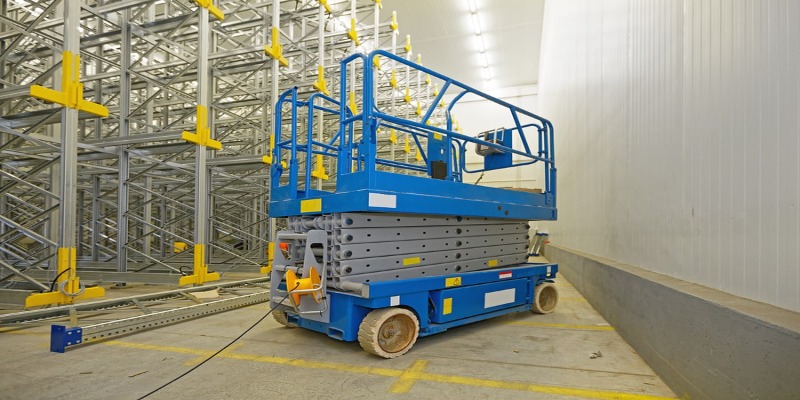
Introduction Scissor lifts are essential to Singapore’s construction. They offer extra workspace and easy usage, carrying around 230 to 450kg, lifting up to three workers, and reaching heights from 7.77 to 13.85 metres. Why Scissor Lift Is A Game-Changer in Construction Safety and versatility Scissor lifts have become essential for safe construction in Singapore’s dense highrise landscape. They provide a stable platform for working at heights, ensuring worker safety. They offer a range of options, including hydraulic, diesel, electric, rough terrain, and pneumatic variants. Each type caters to specific construction needs, making them adaptable to various projects. Efficient and Reliable in Urban Areas In the bustling urban environment of Singapore, the choice of scissor lifts can greatly impact efficiency and effectiveness. Here’s why electric and rough terrain scissor lifts are the go-to solutions: Electric Scissor Lifts for Indoor Spaces In crowded indoor areas, where silence and space are at a premium, electric scissor lifts shine: Quiet Operation: Electric scissor lifts operate with minimal noise, ensuring a peaceful indoor environment, which is crucial in busy urban settings. Compact Design: Their compact size allows them to navigate through tight spaces, making them perfect for indoor tasks, such as maintenance in commercial buildings or warehouses. Rough Terrain Scissor Lifts for Outdoor Challenges When facing the outdoor terrain of Singapore, especially in construction and maintenance, rough terrain scissor lifts offer the following advantages: Flexibility: These lifts are designed to handle the rugged outdoor landscape, providing stability and adaptability on uneven surfaces. Reliability: With robust construction and powerful engines, rough terrain scissor lifts can perform reliably in demanding outdoor conditions. Jaberson Technology offers both electric and rough terrain scissor lifts to ensure that our clients have the right tool for the job, whether it’s the quiet efficiency for indoors or the rugged reliability required for outdoors. Why Jaberson Technology Safety is a top priority in Singapore’s construction sector. Jaberson Technology equips our scissor lifts with advanced safety features, including anti-collision systems, fall restraints, and emergency response mechanisms. Our pneumatic scissor lifts, powered by compressed air, also align with Singapore’s sustainability goals. They emit no harmful fumes and minimise carbon emission, making them an eco-friendly choice for island-wide construction. Final Word Scissor lifts play a vital role in Singapore’s construction sector, providing extra workspace and versatility by accommodating loads, hoisting workers, and reaching heights. They ensure safety in the densely populated high-rise landscape of Singapore and are available in various types, tailored to specific construction needs. By prioritising safety and sustainability, Jaberson Technology is the leading provider for scissor lifts in Singapore. If you need help with your next lifting project, feel free to get in touch with Jaberson Technology. We’re here to assist you. >> Read more: Improving Singapore’s Retail Supply Chains with Packaging Logistics
Improving Singapore’s Retail Supply Chains with Packaging Logistics

The Vital Role of Professional Packaging in Supply Chains Professional packaging isn’t just about how products look; it’s a core part of the supply chains. It’s more than just wrapping – it’s essential for ensuring goods flow smoothly from makers to consumers. Let’s dive into packaging logistics and its impact on Singapore’s supply chains. Professional Packaging’s Significance in Singapore’s FMCG Supply Chains In Singapore’s Fast-Moving Consumer Goods (FMCG) sector, packaging serves as a bridge between the supply chain and consumers. Where products move rapidly from production to consumption, packaging plays a pivotal role in ensuring they reach customers efficiently and in top condition. It acts as a critical link between the supply chain and the end-user, making it a key area for optimisation. Understanding Packaging Logistics Professional packaging is closely tied to various logistics aspects. It can reduce transport delays by providing essential package information. Well-designed packaging can also protect items during transit, reducing the risk of damage or theft. However, there’s a balance to strike. Better protection can sometimes mean heavier and pricier packages. Jaberson Technology offers standardised packaging, streamlining handling and transportation and boosting logistics efficiency. Packaging logistics is a relatively new concept that’s gaining ground in Singapore. It revolves about making packaging and logistics work together seamlessly to enhance supply chain performance. This involves creating packaging solutions that match the supply chain’s logistical requirements. How we evaluate professional packaging Current methods for evaluating professional packaging have traditionally focused on basic functions like protection and preservation. However, they often overlook the broader logistical and supply chain aspects. These evaluation methods also tend to be quantitative and limited. To drive future improvements in professional packaging solutions, Jaberson Technology pursues a more comprehensive approach. This entails considering a wider view that includes logistics, marketing, and environmental factors. We utilise such an approach to ensure that professional packaging solutions are not only effective but also sustainable and aligned with Singapore’s overall supply chain goals. How much does professional packaging cost? We often ignore certain packaging expenses. One such aspect is how the packaging is designed. It can greatly affect the time it takes to prepare items for shipping, which, in turn, affects delivery times and overall supply chain efficiency. At Jaberson Technology, we fully comprehend these cost implications and provide our clients with a comprehensive understanding of the factors at play. This enables our clients to make well-informed decisions regarding their packaging strategies. Final Word Professional packaging is a fundamental but often underestimated aspect of the supply chains. Its integration with logistics can lead to significant enhancements in supply chain performance. By recognising the critical role of professional packaging and adopting comprehensive evaluation methods, businesses in Singapore, can unlock opportunities for cost savings, efficiency improvements, and ultimately, a more resilient and agile supply chain. For more detailed consultation, please get in touch with us at Jaberson Technology. >> Read more: Essential Tips for Lorry Crane Lifting in Singapore
Essential Tips for Lorry Crane Lifting in Singapore

In the logistics and construction scenes, crane lorries play a vital role. They help move heavy and large items. In Singapore, where space is limited, these compact crane lorries have become very popular. We’ll take a closer look at the types, their uses, and why they are so important for heavy haulage. What is a Lorry Crane? Simply put, a lorry crane (or a truck crane) is a crane mounted onto the back of a lorry. Typically, these lorries have four to eight wheels, with size and model variations that provide a stable platform for handling loads of up to 32 tonnes. They boast an impressive reach of up to thirty metres and a lift height of sixty metres, making them formidable tools for a wide range of lifting and transport tasks. The Benefits of a Lorry Crane Lorry cranes offer several advantages across multiple industries, including: Multi-purpose: Lorry cranes find utility in various sectors, such as agriculture, automotive, construction, and retail. Accessibility: Thanks to their self-contained design, crane lorries can access challenging sites with ease. Their mobility and compact setup requirements make them suitable for smaller spaces like warehouses. Easy to manoeuvre: Crane lorries excel at manoeuvring heavy and bulky objects into tight or restricted spaces. Their crane arms can rotate up to 360 degrees, depending on the model, and they occupy less space than conventional cranes, making them ideal for urban, rural, and construction environments. Budget-friendly use: These vehicles require no additional foundations or support pads, reducing setup time and allowing for more efficient project work. Moreover, a crane lorry can transport lifted items, eliminating the need for separate transportation, which not only saves costs but also promotes sustainability. What are the common types of lorry cranes Hydraulic truck Cranes Hydraulic truck cranes are like big lorries with powerful arms. These arms are operated by hydraulic systems, which means they use fluid to move and lift heavy stuff. These cranes are mounted on lorries, so they can drive to where they’re needed. They’re great for tight spaces and can be found in building sites, lifting things like steel beams and machinery. They also help in building bridges, highways, and tunnels. These cranes are like construction superheroes, making heavy lifting safe and easy. Boom Lorries A boom lorry is also a lorry with a crane, but it’s a bit different. It has a flexible arm that can fold and stretch, like an action figure. Boom lorries are handy in tight spots and are often used in construction to lift steel beams and other stuff. They’re like the nimble ninjas of construction equipment. How to Choose the Right Crane? Picking the right crane isn’t a guessing game. You need to consider a few things: Weight and Size: Consider the weight and size of the object you plan to lift. This will help you choose a crane capable of handling it. Where You’re Lifting: Think about the location where you’ll be lifting the item and the available space for manoeuvring. Cost and Availability: Ensure that the chosen crane aligns with your budget and is accessible when needed. Rules and Regulations: Review the regulations of the location where you intend to lift. Avoid unexpected issues or complications. Feeling overwhelmed? Don’t worry! Our experts at Jaberson Technology can give you all the answers and ensure a successful project. Jaberson Technology is the leading provider of truck crane lifting services in Singapore. With our expertise and state-of-the-art fleet, we offer one-stop solutions for all your heavy lifting and transportation needs. Looking for a moving project expert? Contact us today at Jaberson Technology, and we’ll get in touch with you shortly. >> Xem thêm: The Importance of Container Stuffing in the Cold Supply Chain
The Importance of Container Stuffing in the Cold Supply Chain
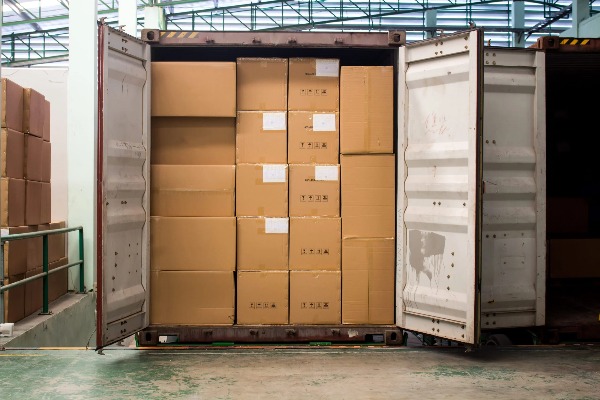
Why is Efficient Container Stuffing Important? Efficient container stuffing plays a critical role in international shipping, particularly in a trade hub like Singapore. It ensures that goods are loaded into containers in a way that guarantees their safety and prevents damage during transit. It’s even more important for temperature-sensitive cargo. Proper stuffing not only safeguards the cargo but also optimises the use of available space, reducing shipping costs. Moreover, it’s instrumental in maintaining the quality of transported goods, ensuring that they reach their destination in the original condition. Singapore relies heavily on efficient transportation of goods. Refrigerated containers are indispensable to this process, preventing spoilage and preserving quality for perishables like fruits, vegetables, meat and pharmaceuticals. How Container Stuff matters to cold supply chain: Proper container stuffing is vital to harness the full potential of reefer containers. Before embarking on the journey, it needs to pass a Pre-Trip Inspection checklist. Let’s examine some key aspects: Temperature Control: Reefer containers from providers like Jaberson Technology are designed to maintain temperatures within a specific range, typically between +25°C and -25°C. The container stuffing process must align with best practices in cold storage to make sure the goods won’t absorb heat and hold the desired temperature over time. Ventilation: Adequate ventilation is essential when transporting chilled cargo to and from Singapore. As hot air rises through the process, proper ventilation allows it to escape, maintaining the required temperature. Humidity Management: When condensation occurs, it can damage your goods. Jaberson Technology’s reefer containers are equipped to manage humidity levels, Our container stuffing process is designed to improve ventilation and minimising condensation, using insulation, dehumidifying tools, desiccants, properly dried pallets, and painted shipping containers. Effective Drains: Reefer containers have well-designed drains to remove excess water and prevent water and insects from getting into the container. Precooling: Prior to loading, cargo, especially fruits and veggies, may need to be precooled to the desired temperature. Refrigerated containers are built to maintain temperature, not bring cargo to the desired temperature. Best Practices for Container Stuffing in Reefer Containers in Singapore Efficient container stuffing for reefer containersrequires careful planning and execution, taking into consideration these factors: Cargo Segregation: To prevent averse chemical reaction between incompatible types of cargoes, they should be kept separate on different decks, using clothes, tarpaulin and colour coded markers. Stacking Order: Proper stacking is essential to maintain the container’s balance, with heavier items placed at the bottom and lighter ones positioned above. Dunnage Material: Using dunnage materials like timber beams or pallets helps fill empty spaces and provides cushioning for goods during transit. Labelling: Clear and accurate labelling of cargo is essential to prevent mix-ups during the unloading process. Final Notes Cold storage is pivotal for the safe and reliable transportation of temperature-sensitive cargo. Understanding the best practices for refrigerated containers helps preserve product quality and reduce losses. It also enables companies to meet the growing demands of global shipping. Do you have inquiries about the cold supply chain in Singapore? Don’t hesitate to reach out to Jaberson Technology for all your cold storage needs. We’re here to provide consultation tailored to your project’s requirements. >> Read more: The Science of Heavy Equipment Moving
The Science of Heavy Equipment Moving
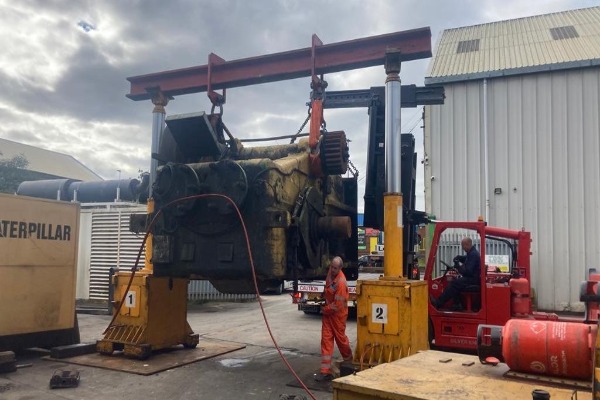
In the global landscape of industries, heavy machinery moving stands as a cornerstone, ensuring the seamless flow of operations. Whether you’re immersed in manufacturing, construction, pharmaceuticals, beverages, or any other industry, machinery remains the lifeblood of production. Recognizing the intricacies involved, businesses often turn to professional machine movers to facilitate the relocation of their heavy equipment. However, the realm of heavy equipment moving is not without its complexities and risks. It requires expertise and careful consideration to ensure the safe transportation of delicate machinery parts. Thanks to technological advancements, modern tools like air bearings and heavy-duty transporters have simplified the process. Nevertheless, careful planning is crucial, encompassing factors like adherence to state laws and route selection. Reasons for Movement Replacing or Removing Machinery Much like any system, machines have a finite lifespan. Once they reach this threshold, they require part replacements or, in certain cases, complete removal. Equipment also necessitates replacements when it becomes obsolete or incurs irreparable damage. Continuing to operate damaged or outdated machinery not only disrupts production timelines and increases costs but also poses hazards to everyone involved. At this juncture, businesses rely on professional machine movers for efficient heavy equipment moving, facilitating the removal of old machinery and ushering in new equipment. In-House Equipment Shifting In some instances, businesses require internal repositioning of various machine parts and equipment to optimise space. Operating within limited space, companies often undergo substantial redesigns to enhance efficiency and production. They utilise equipment like forklifts or air bearings, along with dedicated moving teams, for heavy equipment moving during in-house shifts. In certain cases, businesses even construct new buildings to accommodate machinery. This internal movement extends to transferring heavy items, including the relocation of machine parts from production to storage and beyond. Disposing of Old Equipment As machines approach the end of their performance cycle and efficiency declines, companies face the need to decommission and discard them. The scale of discarded parts may vary, requiring their removal from the facility before disposal. Large-scale movements of this nature necessitate the involvement of professional movers to ensure proper disposal. Upgrading Machinery Regular upgrades are essential for maintaining optimal machine performance. The size of upgrade components may range from small items like screws to larger ones such as dynamos and generators. Transporting and unloading these upgrades demand careful handling to prevent damage. Movers deploy tools like air bearings or crane systems, depending on the part’s size, to ensure safe loading and unloading. Equipment Sales Companies often undergo downsizing, relocations, or operational changes. In managing their old equipment, they have the options of discarding or selling. Discarding occurs when a machine completes its lifecycle and is no longer functional. However, if a machine remains operational or requires minor repairs, selling becomes a viable option. After selling the machinery, professional machine movers are engaged to transport it to its new owner’s facility. Risks Involved Companies have numerous motivations for relocating heavy machinery and equipment as needed. They enlist professionals with expertise and experience to ensure a smooth process of intricate project logistics. However, due to the involvement of equipment like air bearings and forklifts, potential risks persist. Common Risks include: Certain machines contain sensitive parts that require careful consideration during transportation to prevent damage. Workers engaged in machine moving must take precautionary measures to avoid injuries, given the potential for body parts becoming stuck or sharp edges causing harm. Burns or shock damage can occur due to extreme heat or exposed electrical circuitry. These risks and potential accidents can result in serious injuries or even fatalities if proper precautions aren’t taken into account. Engaging professional machine movers, such as Hovair, is a prudent choice. With skilled and trained personnel, they ensure the safe handling of heavy equipment moving and complex project logistics. Tips for Streamlined Operations While professional movers possess the expertise to execute heavy equipment moving proficiently, incorporating certain strategies can further streamline the process. Companies availing the services of these professionals can also benefit from these insights to ensure seamless and safe movement. Effective Planning A solid plan is the cornerstone of success, serving as the initial step in any endeavour. It’s crucial to establish a comprehensive plan for heavy equipment moving, outlining the machinery and equipment to be utilised, such as air bearings or pulleys. Esteemed companies in the industry prioritise this planning phase, recognizing its significance in achieving efficient machine transportation. Efficient Scheduling Maintaining a clear and well-defined schedule fosters transparency and simplicity for both the company and movers. Once the plan is in place, setting a timeline for the machine transportation becomes imperative. A precise schedule ensures that the process concludes before the designated deadline, minimising disruptions to production operations. Financial Considerations As with any undertaking, machine movement entails costs due to the involvement of substantial equipment and parts. Companies must establish a comprehensive budget, accounting for the typical charges imposed by machine movers. It’s essential to account for additional expenses and incorporate them into the budget prior to commencing the activity. Movers also contend with various costs, encompassing equipment usage and personnel. Open negotiation between companies and movers regarding pricing and fees is crucial to preempt any inconveniences. Selecting Appropriate Methods Incorporating suitable means for transportation is a pivotal aspect of the planning process for heavy equipment moving. Diverse resources must be employed to cater to the array of sizes of machinery and equipment. Additionally, careful consideration is required when handling fragile items during transit. Once loaded, the responsibility of safeguarding the machine and ensuring its intact delivery rests with the movers. Effective Communication Open communication channels are vital in every industry, and this principle extends to machine movers. Maintaining continuous communication is essential, ensuring that everyone involved remains informed. Effective communication guides movers toward the correct destination while affording companies peace of mind, knowing that their machinery is on track to its intended location. Precautionary Measures for Movers Implementing Prudent Safety Practices To ensure the safety and success of heavy equipment moving and intricate project logistics, adhere to these